A large flock of crows ushered in by the first cold spell of winter 2013 attracts the interest of a Bald Eagle as the Goodyear Blimp passes over the area - what are the odds of that happening in one day? Crows and Eagles generally don't get along as you can see in this video from last winter: https://www.youtube.com/watch?v=F0ybGVYkQps
Always a rare treat to see an eagle soaring over the yard, but to have the Goodyear Blimp within sight at the same time is way too random to fathom. American Crows are generally not migratory in the deep south, but they have unique seasonal behavior. They seem to form up into large flocks and move through the area and disperse into the vast interior range lands for the winter or congregate at landfills. I never see individual crows other than maybe one or two days a year in the cool season. They make a ruckus when they move through.
One of the five baby squirrels is trying to take an afternoon nap after leaving the nest and getting tired of exploring its new huge Eastern Hemlock Tree house, however a neighboring chipmunk is doing its best to keep it awake. This is one of the five from: https://www.youtube.com/watch?v=qAsnmZ1j5ac
A Cuban Tree Frog changes colors three times to be light, medium and dark to try and blend in with its surroundings. An athletic and attractive tree frog in the wild it has largely spread through central Florida and is considered an invasive species . It is said to have an irritating skin secretion that discourages predators, but I have seen young ones eaten by Red Rat Snakes. If you let the red rat snakes and other snakes live in and near your backyard ecosystem they will help keep the balance of nature! It is recommended to euthanize these frogs when captured ( http://ufwildlife.ifas.ufl.edu/frogs/cubantreefrog.shtml ) however, I rarely see or hear them in or around the house - this one was found in an old bucket and I couldn't bring myself to capture and kill the creature.
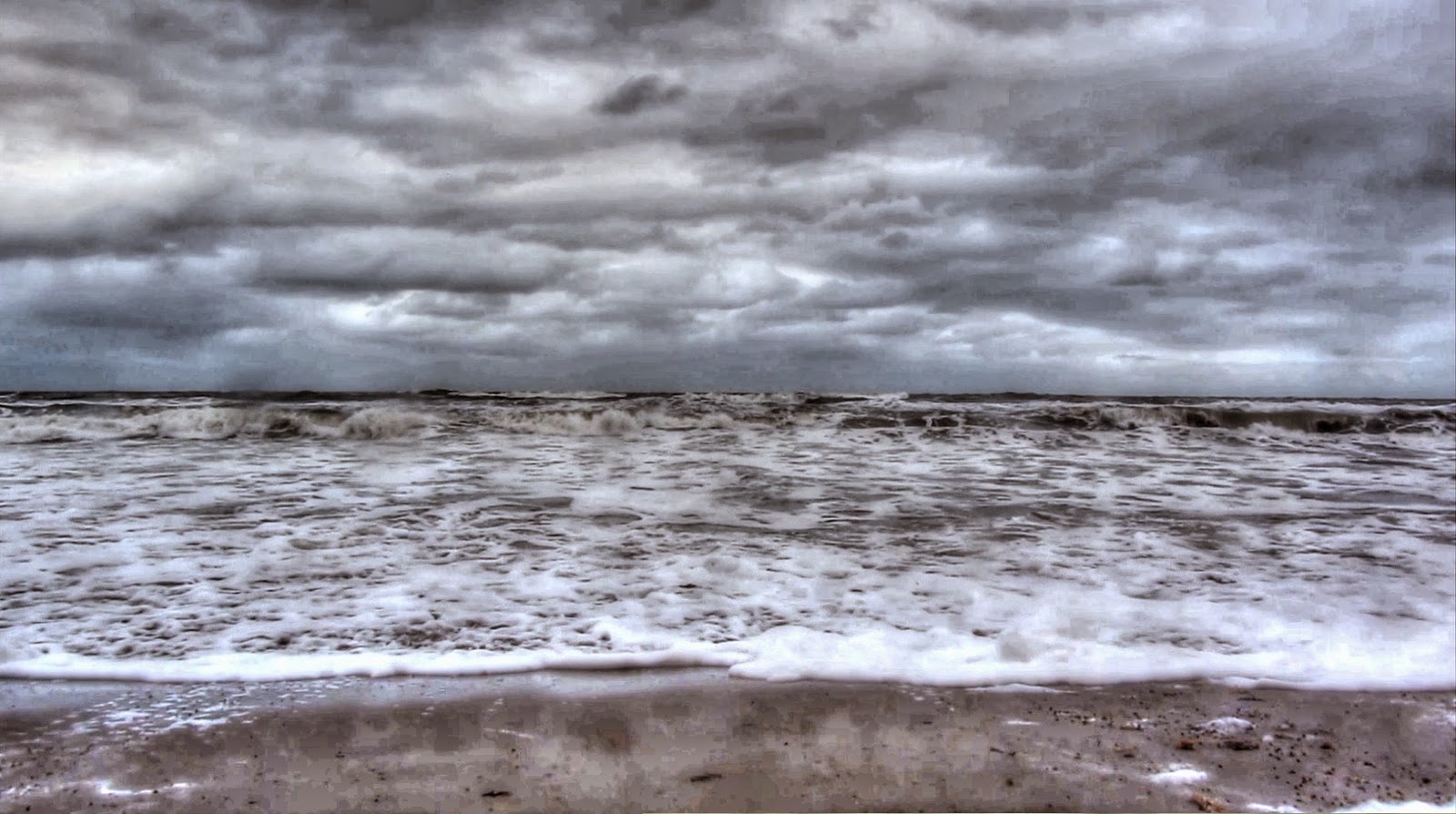
The storms of November bring high winds and seas, rough surf and dark skies to the east coast of Florida. Not a typical day at the beach, but the expanse of the sky and the raw power of the sea are worthy of contemplation as are the small subtle details such as the foam and seaweed and the layers of currents as the tide expends its energy on the shore. You might notice that the horizon is not level as the tripod was knocked by the waves early on - somehow the askew view of the horizon is appropriate on a day like this. The soundtrack "Hydra" is courtesy of the YouTube Audio library. This video was taken during the afternoon high tide on November 25th, 2013 during a "High Surf Advisory".
Funniest and Cutest Baby Squirrels is not an exaggeration (or"kittens" as squirrel young are called) - perhaps gentle, innocent, and curious. All sorts of words will come to your mind as you watch this video. A mother Red Squirrel high in the Great Smoky Mountains of North Carolina has her hands full raising these precocious youngsters in an Eastern Screech Owl nest box. Try and count how many little squirrels there are as you watch the video! They are still totally dependent on nursing and this is their first morning really beginning to explore the world outside the nest box. Apparently young animals just can't resist squeezing their heads through a nest box entrance - see how owlets do it at: https://www.youtube.com/watch?v=VTmQ1mnjAJc "Funniest and Cutest Baby Screech Owls"
The music at the end is the appropriate "Get Outside" by Jason Farnham, courtesy of the YouTube Audio Library.
In the spirit of Thanksgiving Dinner here is a short video of an Eastern Chipmunk in the Great Smoky Mountains literally "stuffing its face" to capacity. It can only gather so much by the traditional "vacuming" method so get as full a load as possible before returning to the den it forces more food in with it's front paws. They will have the last laugh though in the cold winter months when they are snug and warm beside their larder.
Extreme close-up of a Tufted Titmouse and Black Capped Chickadee taking turns at a bird seed bonanza provided high in the forest of the Great Smoky Mountains when a Dark Eyed Junco arrives and decides to stake its claim to the whole seed pile. A game of "King of the Mountain" ensues and in the process the greedy Junco spills more seeds than it can eat. Of course it will clean them up on the ground later.
A young Red Rat Snake (also called a Corn Snake) captures and squeezes a Brown Anole Lizard not much small than itself and spends the next 15 minutes slowly swallowing it. Florida Red Rat Snakes are constrictors just like their large exotic cousins such as the invasive Burmese Pythons and they capture, kill and eat their prey the same way, just on a much smaller scale. This one does it all while hanging upside down from a backyard outbuilding. Mostly nocturnal, the snakes learn that the outdoor lighting attracts lizards and that is prime hunting ground. Unlike the invasive pythons that kill and displace native wildlife, this snake is a native and performs an invaluable service by keeping the lizards, mice and rats in check. The Brown Anole Lizard being eaten is itself an invasive species that is relatively larger than native lizards and more agressive and rapidly displacing Green Anole Lizards and timid Gecko's. These snakes should not be killed. Unfortunately finding a small snake like this doing its job in the backyard too often leads to the killing of the snake. This little backyard drama allows us a closeup look at the process. The camera was only 3 or 4 inches from the snake the entire time. This snake is undoubtedly the offspring of this large Red Rat Snake filmed earlier this summer:
An encounter between a young spike male elk (one really can't call him a "bull elk") went viral this week. The young elk took an unusual interest in a photographer at Cataloochie Valley in the Great Smoky Mountains National Park and appeared to be playfully sparring with the man who kept his head down early in the encounter. This intrigues me because I am very familiar with the elk in the GSMNP and have filmed them often and never seen any act like this unless people tried to approach or otherwise act threatening. Indeed, as the video below shows you can be quiet and low-profile and get exceptional video of the elk going about their business. A video playlist of some of my encounters can be seen here. Huge bull elks such as this 800 pounder I filmed below could kill you in a heartbeat if provoked.
Sadly the elk was killed by the park service after this event. I had many questions about the encounter - and it turns out this young elk had been causing some problems before and that people had been feeding it Doritos and chips etc., probably starting when it was still a calf. This is very unfortunate, and of course against the law and violation comes with a steep fine. But people will be idiots and feed the wildlife and the odds of being caught are low. I do not know how aggressive the rangers are at enforcement, but I do know that budget cuts have thinned their ranks. Cataloochie in particular is unfortunately set up for this kind of animal abuse because it is so accessible to people just passing through. The classic conundrum of the popular national park, how to somehow preserve wild nature while making it safe and easy for people to experience. The reality is most people never get more than 100 yards from the car at any time when they visit the park.
Clearly conditioning this young elk to expect a salty treat when people stand by the road is the root cause of this viral encounter. The photographer's actions can always be second guessed - he had an opportunity at the 2:42 mark in the video to just walk/run away as it appeared the elk was losing interest. Instead, he turned back around and that seemed to escalate the encounter leading to the head-butting. But he didn't have the advantage of our after-the-fact viewpoint. It really boils down to a fascinating, but sad convergence of an elk who had been fed against the law and a photographer who loves wildlife trying to get a good shot. The underlying message of this video should not be lost - and that is feeding large mammals like elk and bears results in endangerment of the public and, sadly, almost always is a death sentence for the animal.